Grief After Losing My Mother: Why It Hits So Hard and What Helps
Sadness, anger, guilt, even relief: every feeling is allowed. Why grief after losing your mother shakes the ground so hard, and a way to let it move.


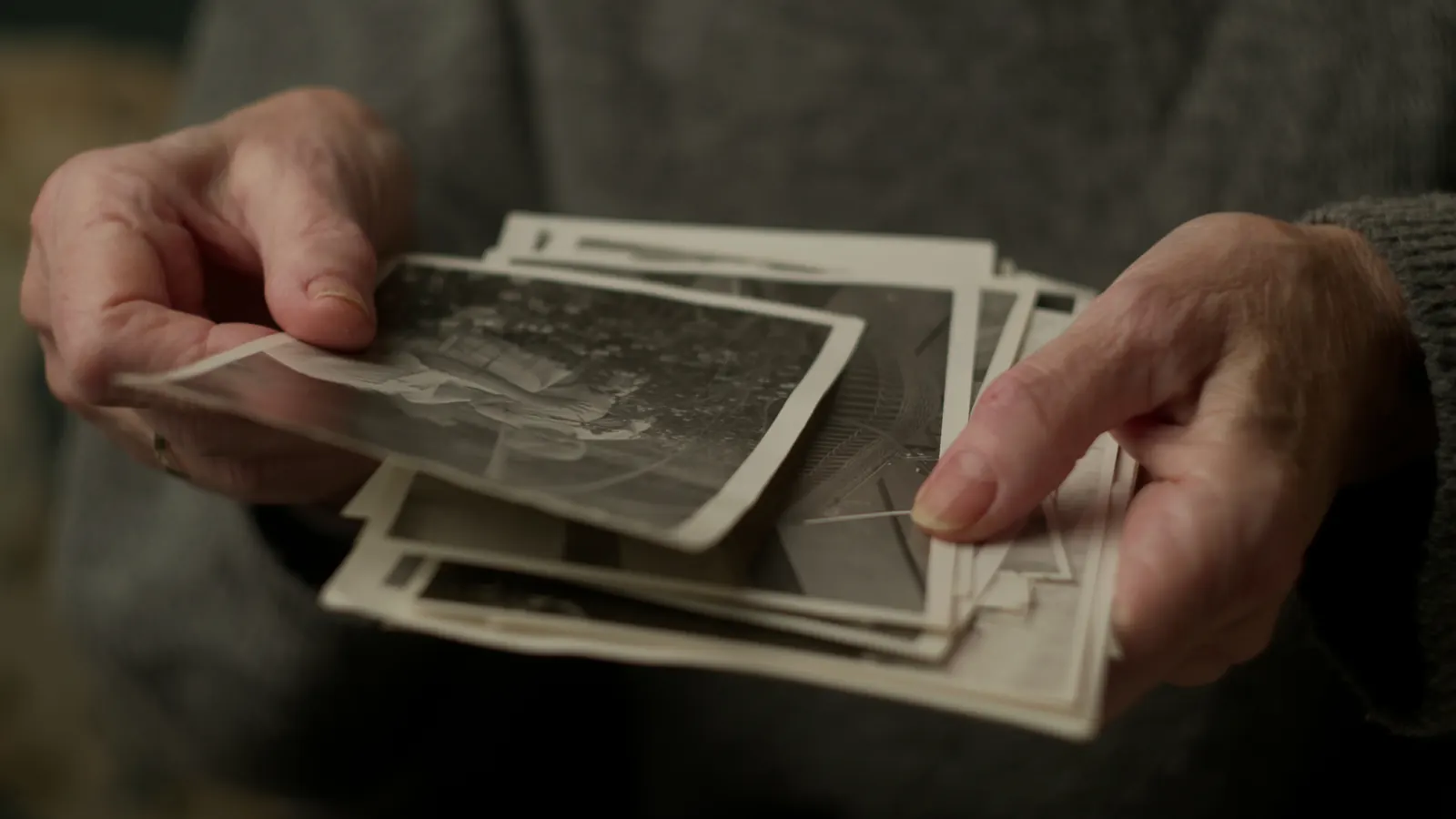
Your hand still reaches for the phone on Sunday evening. Halfway through the number, you remember.
Or it happens in the supermarket. You pass the biscuits she always bought, and your throat closes so fast you have to leave the trolley in the aisle and walk out.
People expected you to be sad. What nobody warned you about is everything that comes with the sadness. Anger at her for leaving. Anger at the doctors, at your brother, at yourself. Guilt about the last phone call. Maybe relief, if the end was long, and then guilt about the relief.
All of it is allowed. Every bit. As Violeta puts it: “These feelings rising in you are normal. That’s exactly how it should be.”
Why losing your mother hurts like this
Long before you could talk, she was the one who showed you which feelings were welcome in the house. What happened when you cried. What happened when you were angry. What was too much.
That’s why this grief can feel so physical, and so young. In our book we wrote that you can be fifty years old and still become a small child the moment you walk into your mother’s kitchen. Now you walk into it, and she isn’t there.
And if the relationship was complicated, the grief is complicated too. You can miss her terribly and still be angry with her. You can love her and still remember exactly which button she used to press. Both live in your body at the same time. Neither one cancels the other, and neither one makes you a bad daughter.
How to cope with losing your mom when the feelings are mixed
The mind wants to sort it all out. Was I a good daughter? Did she know I loved her? Should I have pushed for another doctor, visited more, said the thing I never said?
We call this the trial: the replays, the “I should have.” What we have seen is that grief becomes heaviest not because of the love underneath, but because of what the mind lays on top. When you can let the wave move through the body without the trial, it is still painful. It is also clean.
So you don’t have to decide this week whether you were good enough. You don’t have to settle your whole history with her. You only have to notice what is here, right now. Maybe a tight throat. A hollow place under the ribs. A weight on your chest when you wake up and remember all over again.
If the guilt is the loudest part, you may find yourself in this one too: why do I feel guilty all the time.
Missing my mom who passed away: why it comes in waves
It can come in waves. You can be fine at lunch and on the bathroom floor by dinner. A song in a shop. The smell of her coat. Her handwriting on an old birthday card.
Grief takes the time it takes. Nobody can give you a timeline, and we won’t. If someone tells you it’s time to move on, that’s their clock, not yours.
Sadness sits in the throat and the chest, and it needs tears more than it needs advice. If the tears won’t come, that’s a feeling too, and there’s more about it here: I want to cry but I can’t. And if your head feels thick and you keep losing your keys and forgetting words, you may want to read about grief brain fog.
Losing a mother: a few minutes with the loss
This isn’t a way to get through grief faster. There is no faster. It’s a way to give the wave somewhere to go, instead of holding it in your jaw all day and letting it out in the car.
It’s a smaller version of our Feeling Session, for a loss that is still raw. If the ache is in your throat or your chest right now, lie down with it, on the bed or the floor. Let your arms rest, palms down. A scarf will do for your eyes. If the loss is very fresh, go in small doses, a few minutes at a time.
Practice5 min
With a great loss
- Lie down for a few minutes, cover your eyes, and let what is there move through your body.
- Stop when you need to.
- Come back to it another day.
- And don’t stay alone with it for long. The people who love you are part of the way through.
What you might notice: tears may come, or a wave of anger, or a strange quiet afterwards. Or nothing you can name. All of it belongs. Tears are one of the ways a feeling moves through the body.
If it ever feels like too much, you are always in charge. Open your eyes. Sit up. Feel your feet on the floor. Drink some water. Call someone who loves you.
Sometimes, under the grief, there’s a question that won’t let go. Why her, why now, and who am I without her? If that’s where you are, there is a free personal letter from The Birth Letter, our project. It starts from the day you were born and from the question you bring, and it’s written the way we work in our sessions: to be felt, not just understood.
What to do this week
- Keep one thing of hers close. A scarf, a cup, a recipe in her handwriting. When it makes your chest ache, let it ache for a few minutes before you put it away.
- Say it out loud to one person. Someone who loved her too. Not in a message. “I miss the way she…” and let your voice shake if it shakes.
- Leave the big decisions for later. Her house, her things, your plans. Don’t decide while it’s this raw. First the feeling, then the decision.
- Talk back to the guilt, kindly. Guilt knocks like a kid selling cookies. You can hear the knock and not open the door. You can say through the door: “Not today.”
- If she was ill for a long time, you may have started grieving long before she died. That has a name, and it’s worth reading about: anticipatory grief.
Losing a parent is one of the turns we write about in life events, with the other moments that take the ground away for a while.
Her number is probably still in your phone. Nobody is asking you to delete it, or to stop missing her. When your thumb finds it on a Sunday evening, let the ache come up into your throat, and stay with it for a minute before you put the phone down.